01
Tech-first, by default
Sensors, vision, and a single data layer go in before the first row is planted. The farm is instrumented as a system from day one — not retrofitted later.
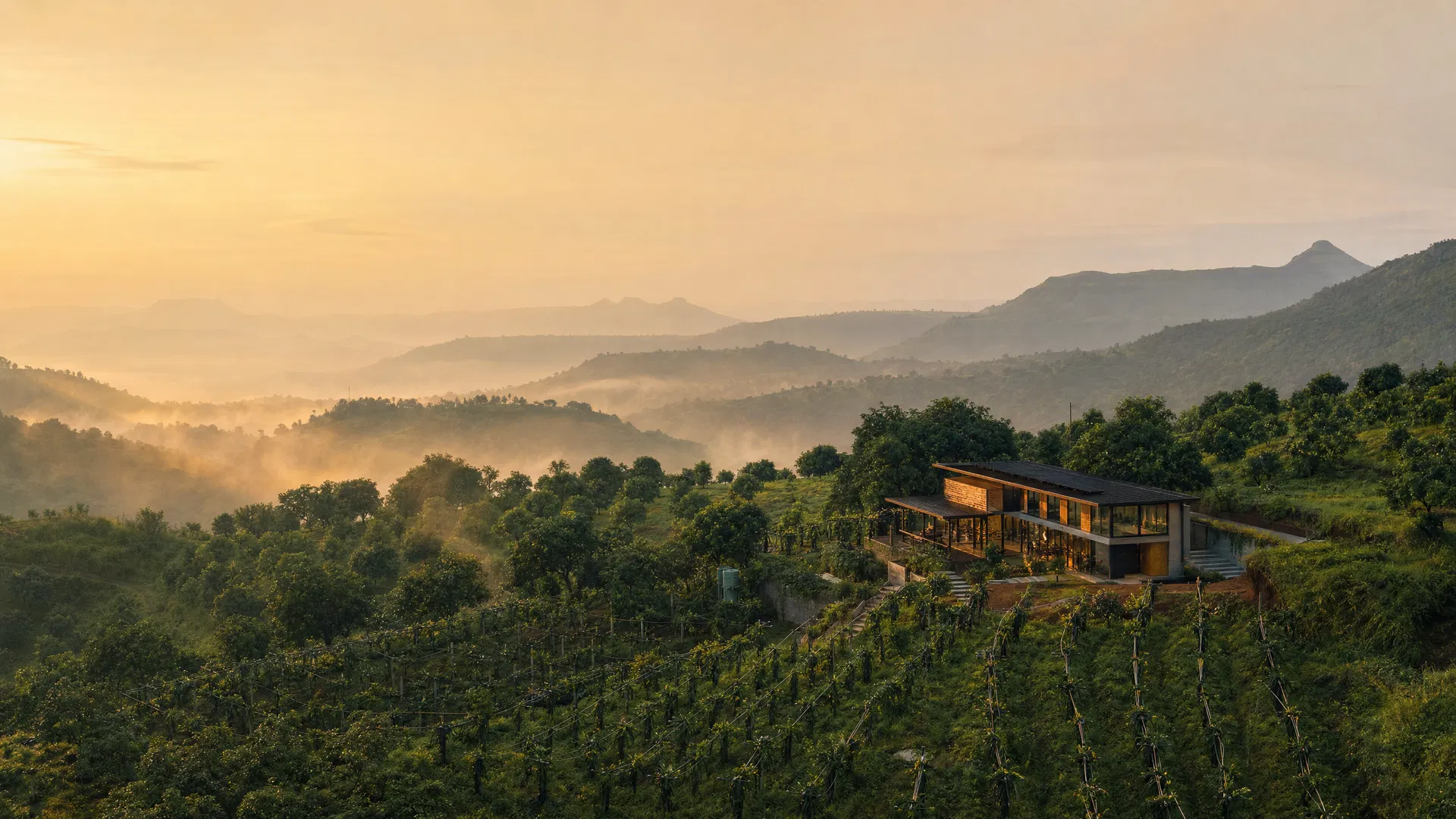
A 20-acre, tech-first, AI-first farm in the Sahyadri foothills near Khopoli. Protected cultivation, orchards, a small post-harvest line — all running on a stack we build and operate ourselves. Early days; the land is being shaped now.
Site identified, surveys underway. We’re talking to growers, builders, and a few labs about walking the first seasons with us.
Why we’re doing this
The next decade of Indian agriculture gets written in soil and software. Today most of it stops at a dashboard. We’d rather build the farm and the stack as one thing — tech-first, AI-first, from the soil up.
So we’re trying it. 20 acres, a real plot, a small team that knows both the field and the stack. Sensors, vision models, and a few in-house agents handling the boring decisions so people can spend time on the rest.
The point isn’t to disrupt anything. It’s to build a farm that works — through monsoons, labour cycles, and the next twenty years — and to write down what the tech actually changes while we do.
Not a manifesto. Just the rules of thumb we keep coming back to when we have to make a call.
Sensors, vision, and a single data layer go in before the first row is planted. The farm is instrumented as a system from day one — not retrofitted later.
In-house agents for irrigation, scouting, and harvest planning take the routine calls and escalate the rest. We don't want AI on a slide; we want it making the boring decisions while people focus on the hard ones.
Agronomists, drone pilots, and engineers sit at the same table. Prototype, measure, change one thing at a time, write it down. Most decisions on the farm are reversible — we treat them that way.
Best-of-breed sensors, robotics, and post-harvest gear from partners; the data layer, the models, and the agents we build ourselves. The interesting work is in how the pieces fit together.
The land splits into four working blocks. Each does its own job; water, power, and data move between them.
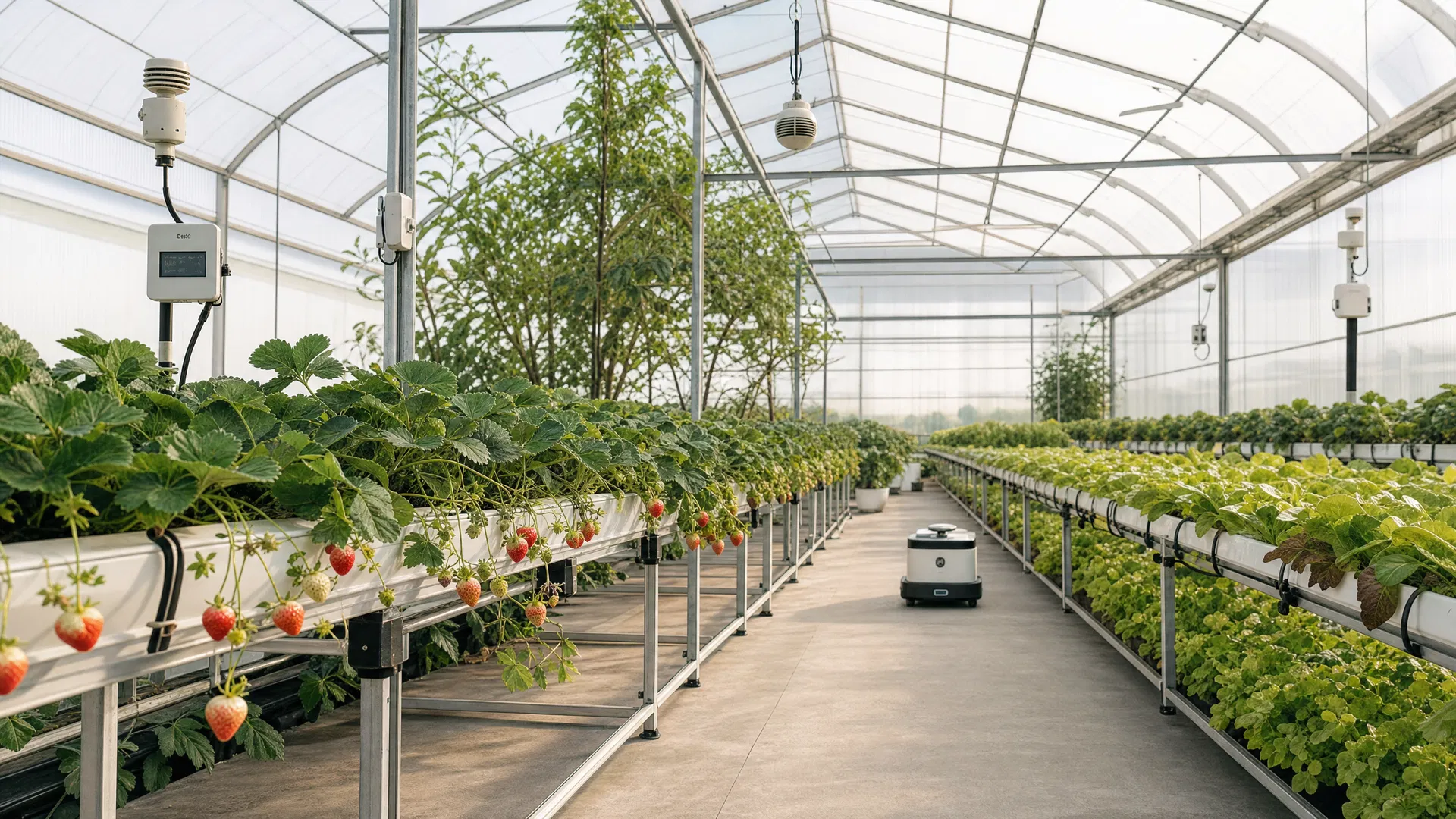
A small block under climate-managed cover for things that don't really tolerate the open Konkan summer — strawberries, leafy greens, herbs. Fertigation and sensing built in from day one.
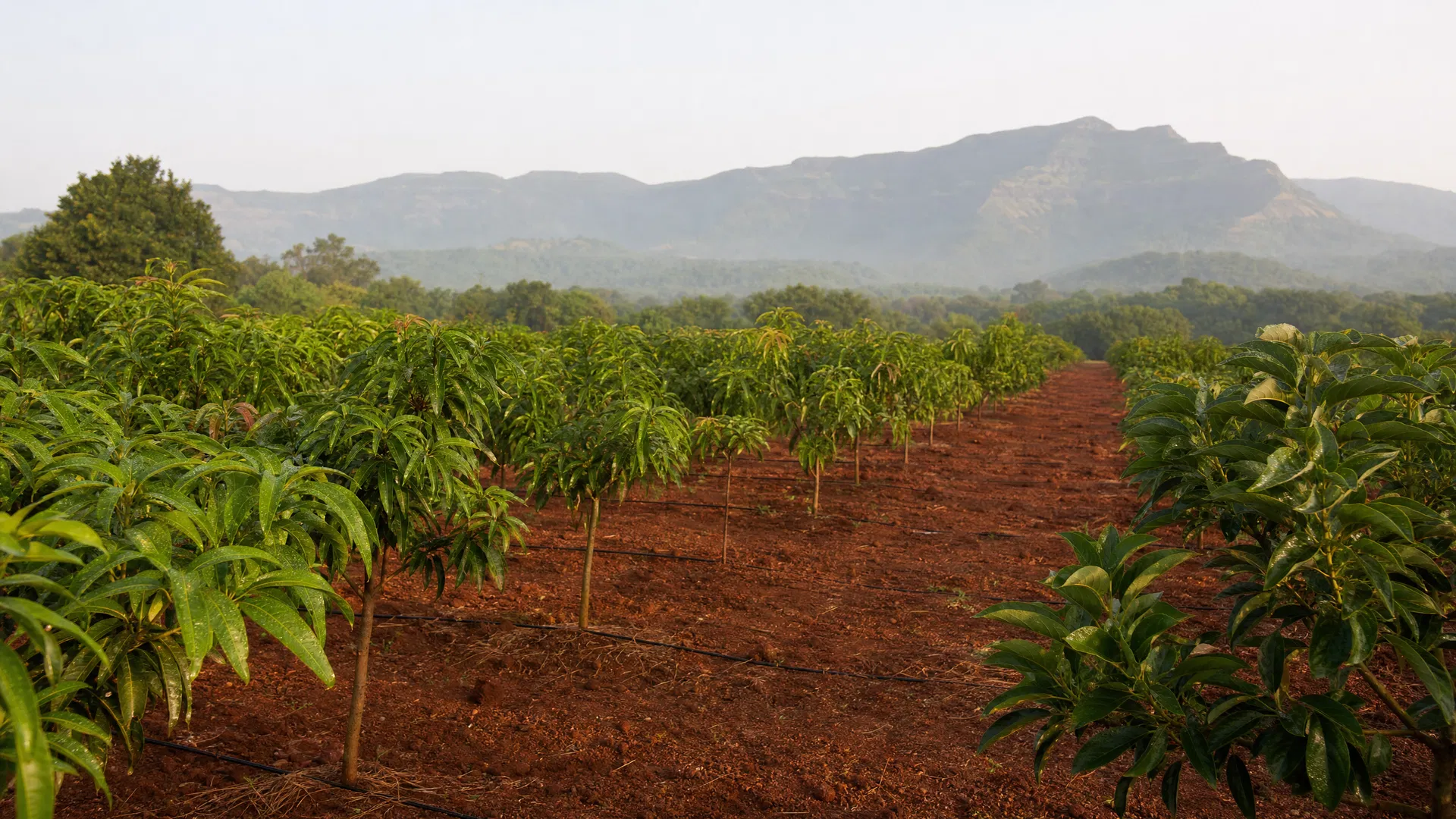
Mango, dragon fruit, and avocado planted in mixed blocks suited to lateritic soil. Long-cycle crops that fit the slope and the rainfall, planted with shade and ground-cover species, not in monoculture rows.
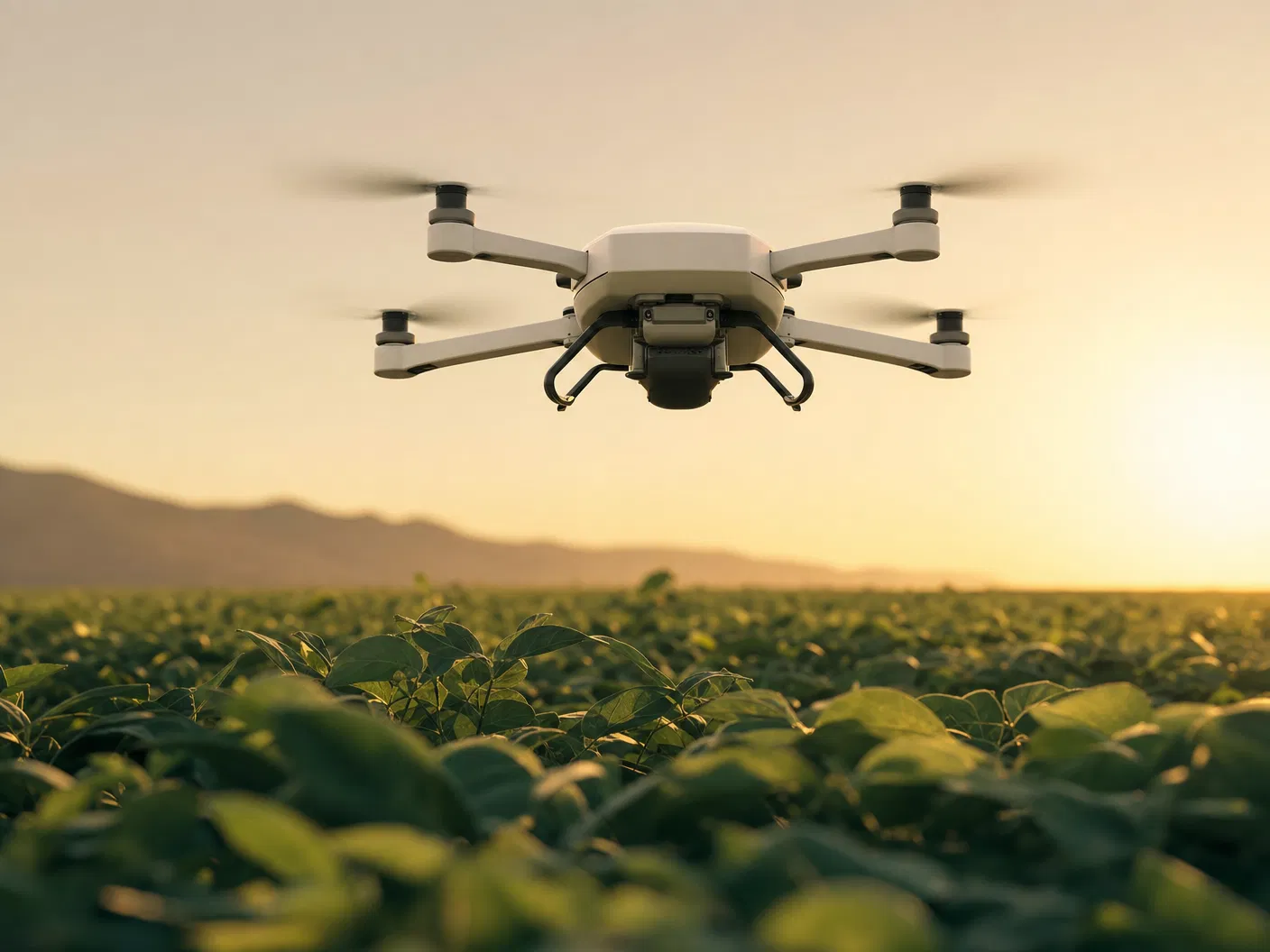
A meaningful share of the land stays in rotation with traditional crops and indigenous breeds. Partly to keep the soil working, partly because we like the variety.
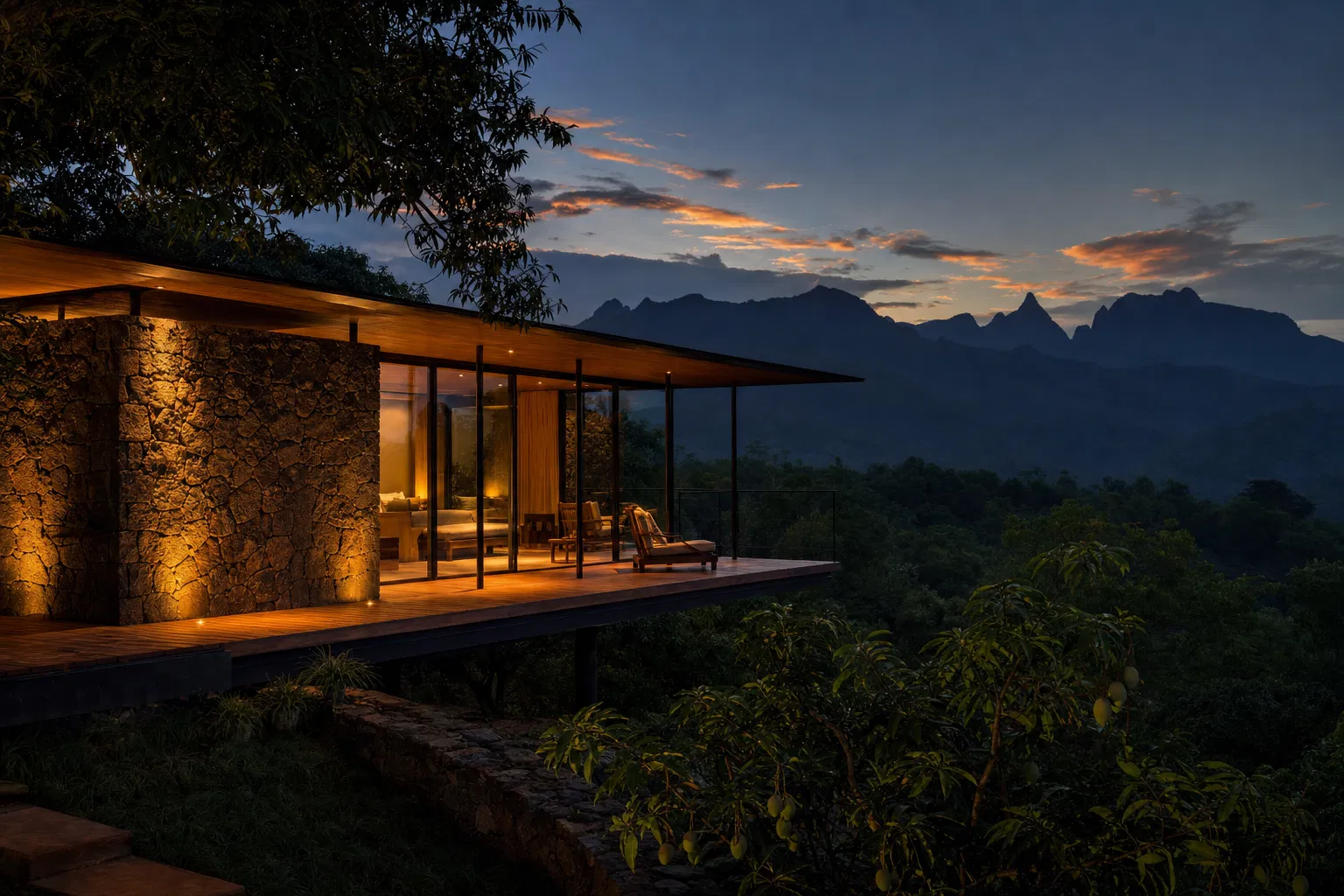
A handful of guest keys looking out over the Sahyadris. The point isn't a hotel; it's somewhere people can come, watch the farm work, and not be sold an experience.
Sensors and vision feed a data layer we own. On top of that sit a handful of in-house agents — for irrigation, scouting, harvest planning — that take the routine calls and surface the rest to a human. Best-of-breed hardware where it makes sense; we build the connective tissue and the models.
A short, honest log. What’s underway, what’s stuck, who we’re talking to.
Walking the land, mapping the slopes, and figuring out where water actually goes during a Konkan monsoon. Less glamorous than it sounds, more important than it sounds.
Soil moisture, leaf wetness, and micro-climate nodes feeding into one place. Nothing exotic — just enough resolution that we stop arguing about what the orchard 'feels like' today.
Most off-the-shelf models don't know what an Alphonso looks like in week 14. We're chatting with a few labs about co-training on what we grow. If that's your area, get in touch.
Short version: the unit economics don't pencil out for India yet, and the things we want to grow don't need it. Longer version coming — happy to argue about it.
Fynd Farm is one of four sister projects under the Fynd umbrella — each focused on a different frontier, all sharing the same engineering culture and long-horizon view.
External links open in a new tab.
We’re looking for a small set of design partners — growers, robotics and sensor teams, a few research groups, and the occasional architect. If any of that sounds like you, talk to us before we’ve cast everything in concrete.